




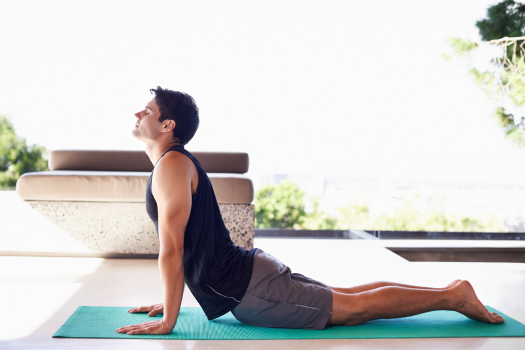
Cobra Pose (Bhujangasana) is a gentle backbend that can benefit a herniated disc (also known as a slipped disc or ruptured disc) when performed with proper modifications and medical clearance. This yoga posture strengthens the spinal muscles, increases flexibility, and promotes better posture while encouraging blood flow to the affected area. However, the traditional full expression of Cobra Pose requires significant modifications for people with herniated discs, as excessive spinal extension can worsen symptoms and increase pressure on already compromised intervertebral discs.
In this article, we explore how Cobra Pose works for herniated disc conditions, the therapeutic benefits it offers when practiced correctly, and the essential precautions you must take before incorporating this posture into your recovery routine.
How Does Cobra Pose Affect the Spine Anatomically?
Cobra Pose creates spinal extension, which means the spine curves backward as you lift the chest and arch the upper back. This movement primarily affects the thoracic and lumbar regions of the spine, where most herniated discs occur. When you practice Cobra Pose, the anterior (front) portion of the intervertebral discs experiences compression, while the posterior (back) portion opens up.
For herniated discs, this mechanical action can be beneficial or harmful depending on the location and severity of the herniation. Posterior herniations—where the disc material pushes backward toward the spinal cord—may experience reduced pressure during gentle extension. This occurs because the backward bend creates more space in the posterior disc region, potentially alleviating nerve compression.
The pose also activates the erector spinae muscles along the spine, the multifidus muscles that stabilize individual vertebrae, and the gluteal muscles. This muscular engagement provides crucial support for the spine and can redistribute forces that would otherwise concentrate on the damaged disc.
What Are the Primary Benefits of Modified Cobra Pose for Disc Injuries?
Modified Cobra Pose offers several therapeutic advantages for people recovering from herniated discs. The gentle extension movement centralizes disc material, meaning it can encourage the herniated portion to move back toward the center of the disc rather than pressing on nerve roots. This centralization often correlates with reduced leg pain and other radiating symptoms.
The pose strengthens the paraspinal muscles that provide natural support for the spine, reducing the load on intervertebral discs during daily activities. Stronger spinal muscles mean better shock absorption and improved posture, both of which are essential for long-term disc health.
Regular practice of modified Cobra Pose also increases spinal mobility in a controlled manner. Many people with herniated discs develop protective muscle guarding that limits movement and creates additional stiffness. The gradual extension work in this pose helps restore natural spinal mobility while maintaining safety.
Additionally, the pose promotes better breathing patterns. As you open your chest and elongate the front of your body, you naturally deepen your breath, which increases oxygen delivery to healing tissues and reduces tension throughout the torso.
Which Modifications Make Cobra Pose Safer for Herniated Discs?
The key to practicing Cobra Pose safely with a herniated disc lies in reducing the depth of the backbend and maintaining proper engagement. Start with Baby Cobra, where you lift only the head and upper chest while keeping the lower ribs on the floor. This limited range of motion provides therapeutic benefits without excessive spinal stress.
Keep your elbows bent and positioned close to your ribs rather than straightening the arms fully. This modification prevents overextension while still engaging the back muscles effectively. Your pubic bone should remain firmly anchored to the floor throughout the movement, which protects the lumbar spine from excessive compression.
Engage your abdominal muscles gently throughout the pose. This core activation creates intra-abdominal pressure that supports the spine from the front, reducing the load on the posterior structures. Think of drawing your navel slightly toward your spine without holding your breath or creating excessive tension.
Focus on lengthening the spine rather than simply arching backward. Imagine someone pulling the crown of your head forward as you lift, which creates space between the vertebrae instead of crunching them together. This length-focused approach is fundamental to safe back bending with disc injuries.
When Should You Completely Avoid Cobra Pose with a Herniated Disc?
You should avoid Cobra Pose entirely during the acute inflammatory phase of a disc herniation, which usually lasts from a few days to several weeks after the initial injury. During this period, any movement can increase inflammation and worsen nerve compression. Rest and gentle activities like walking are more appropriate during this stage.
If you experience increased pain, numbness, tingling, or weakness during or after practicing Cobra Pose, discontinue the posture immediately. These symptoms indicate the pose is aggravating your condition rather than helping it. Pain that radiates down your leg (sciatica) is a particularly important warning sign that should not be ignored.
People with severe herniations that cause significant neurological symptoms, such as bowel or bladder dysfunction, foot drop, or progressive weakness, should not practice Cobra Pose without explicit approval from their healthcare providers. These symptoms may indicate cauda equina syndrome or other serious conditions requiring immediate medical attention.
Anterior disc herniations, where the disc material bulges toward the front of the spine, may worsen with spinal extension. Although these herniations are less common, they require forward-bending movements rather than backbends for relief.
How Do You Progress Cobra Pose Safely during Disc Recovery?
Begin with Sphinx Pose, which is even gentler than Baby Cobra. In Sphinx Pose, you rest on your forearms rather than your hands, creating a minimal backbend that still provides therapeutic extension. Hold this position for 30 to 60 seconds, focusing on breathing and spinal length.
After several weeks of pain-free Sphinx Pose practice, progress to Baby Cobra with bent elbows. Perform the movement dynamically at first, lifting for just a few breaths and then lowering back down. This approach allows you to gauge your response without committing to a sustained hold.
Gradually increase the duration you hold Baby Cobra, working up to 30 to 45 seconds. Only after maintaining this level without pain for several weeks should you consider slightly straightening the arms or lifting higher. Progress should be measured in weeks and months, not days.
Throughout your progression, maintain consistent communication with your physical therapist or healthcare provider. They can assess your specific herniation and provide personalized guidance on appropriate progressions. Individual disc injuries vary significantly, and what works for one person may not be suitable for another.
What Complementary Practices Support Cobra Pose for Disc Health?
Pair Cobra Pose with flexion-based movements to maintain spinal balance. Child’s Pose, performed after Cobra Pose, provides a gentle counter-stretch that relieves any accumulated pressure in the lumbar spine. This alternation between extension and flexion promotes healthy disc nutrition through the pumping action it creates.
Core-strengthening exercises are essential companions to Cobra Pose. Planks, bird dogs, and dead bugs build the abdominal and back muscles that protect your spine during daily activities. A strong core reduces the mechanical load on intervertebral discs and decreases the risk of future injuries.
Hip flexibility work also supports disc health by ensuring your hips, rather than your lower back, provide the primary movement during bending and lifting activities. Tight hip flexors force the lumbar spine to compensate with excessive movement, increasing disc stress.
Finally, practice mindful movement throughout your day. The benefits of a few minutes of Cobra Pose will be negated if you spend hours slouching at a desk or lifting improperly. Maintain spinal awareness during all activities, not just during your yoga practice.
Frequently Asked Questions
Can Cobra Pose make a herniated disc worse?
Yes, if performed incorrectly or during acute inflammation. Excessive extension, poor form, or practicing during the wrong healing phase can increase disc pressure and nerve compression.
How long should you hold Cobra Pose with a herniated disc?
Start with 5 to 10 seconds in the modified version and gradually progress to 30 to 45 seconds as your tolerance improves over several weeks.
Is Cobra Pose better than Cat-Cow for herniated discs?
It depends on the herniation location. Posterior herniations typically respond better to extension (Cobra), while anterior herniations may benefit more from flexion movements (Cat Pose).
Should you practice Cobra Pose daily with a herniated disc?
Generally, yes, once you have medical clearance. Daily gentle practice can help you maintain mobility and strength, but always respect pain signals and take rest days when needed.
What is the difference between Sphinx Pose and Cobra Pose for disc injuries?
Sphinx Pose creates less spinal extension because you rest on forearms rather than hands, making it the safer starting point for people with herniated discs.
Cobra Pose offers valuable therapeutic benefits for many people with herniated discs when approached with appropriate modifications, patience, and medical guidance. The key to success lies in starting gently, progressing slowly, and remaining attentive to your body’s responses. By combining modified Cobra Pose with complementary practices and maintaining open communication with healthcare providers, you can use this ancient yoga posture as part of a comprehensive approach to disc recovery and long-term spinal health.
If you have a herniated disc that is not responding to conservative treatment, a discectomy may be discussed and potentially recommended. Although this is generally a very successful procedure, having a large hole in the outer ring of the disc more than doubles the risk of needing additional herniated disc surgery. A new treatment, Barricaid, is a bone-anchored device designed to close this hole, and 95 percent of Barricaid patients did not undergo a reoperation due to reherniation in a 2-year study timeframe. This treatment is done immediately following the discectomy—during the same operation—and does not require any additional incisions or time in the hospital.
If you have any questions about the Barricaid treatment, ask your doctor or contact us today.
For full benefit/risk information, please visit: https://www.barricaid.com/instructions.
Comments