




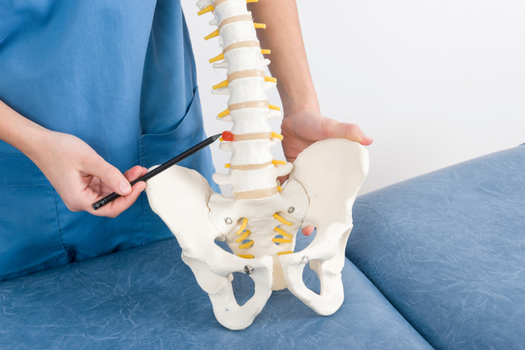
Disc herniations are among the most frequently diagnosed spinal conditions, causing pain, discomfort, and mobility limitations. When they are diagnosed with herniated discs, patients often wonder about the severity of the condition and what the measurements mean for their treatment and recovery. In this article, we take a closer look at how medical professionals classify disc herniations by size, what qualifies as a large herniation, and why these measurements matter for your health outcomes.
Understanding Disc Herniation Basics
Before examining what constitutes a large disc herniation, it is essential to understand what happens when a disc herniates. The spine consists of vertebrae separated by intervertebral discs that act as cushions and shock absorbers. Each disc has a tough outer layer called the annulus fibrosus and a soft gelatinous center known as the nucleus pulposus.
A herniation occurs when the outer layer weakens or tears, allowing the inner material to protrude outward. This protrusion can press against nearby nerves, causing pain, numbness, tingling, or weakness in various parts of the body. The location and size of the herniation significantly influence the symptoms experienced and the treatment approach required.
Standard Size Classifications for Disc Herniations
Medical professionals use specific measurements to classify disc herniations into different size categories. These classifications help doctors communicate effectively about the severity of the condition and make informed treatment decisions. The standard size classifications are:
Small herniations
Small disc herniations typically measure less than 5 millimeters in their largest dimension. These herniations may cause minimal symptoms or remain asymptomatic in some cases. Many patients with small herniations respond well to conservative treatment methods such as physical therapy, medication, and lifestyle modifications.
Moderate herniations
Moderate-sized herniations generally fall within the range of 5 to 10 millimeters. These herniations are more likely to produce noticeable symptoms, including localized low back pain and radiating discomfort into the extremities. The treatment approach for moderate herniations often involves a combination of conservative therapies, with surgical intervention considered if symptoms persist or worsen.
Large herniations
A disc herniation is typically considered large when it measures greater than 10 millimeters in its maximum dimension. Some medical literature, particularly when discussing lumbar spine herniations, classifies herniations of 7 millimeters or larger as severe. The exact definition can vary slightly depending on the medical institution, the spinal region affected, and the specific imaging techniques used.
Large herniations are more likely to cause significant nerve compression, resulting in more severe symptoms. These may include intense pain, substantial numbness or tingling, muscle weakness, and, in severe cases, bowel or bladder dysfunction. Large herniations often require more aggressive treatment approaches and may be more likely to necessitate surgical intervention.
Factors Beyond Size that Determine Severity
While size is an important factor in assessing disc herniations, medical professionals consider multiple elements when determining the severity of a condition and the appropriate treatment plan. Understanding these factors provides a more complete picture of how disc herniations are evaluated.
Location of the herniation
The anatomical location of the herniation plays a crucial role in symptom severity. A herniation that protrudes directly backward (posterior herniation) is more likely to compress the spinal cord or nerve roots compared to one that protrudes to the side (lateral herniation). Central herniations that affect multiple nerve roots may cause more widespread symptoms than those affecting a single nerve.
Direction of protrusion
The direction in which the disc material protrudes significantly impacts symptoms. Herniations that extend into the spinal canal have a higher likelihood of causing nerve compression compared to those that protrude away from neural structures. Sequestrated herniations, where disc fragments break away from the main disc, can migrate and cause symptoms at different spinal levels.
Degree of nerve compression
The amount of pressure placed on nerves or the spinal cord often matters more than the absolute size of the herniation. A moderately sized herniation in a narrow spinal canal may cause more severe symptoms than a larger herniation in a spacious canal. The relationship between available space and herniation size determines the degree of neural compromise.
Individual spinal anatomy
Each person has unique spinal anatomy that influences how herniations manifest. Some individuals have naturally wider spinal canals with more room for nerve structures, while others have narrower canals where even smaller herniations can cause significant problems. Preexisting conditions such as spinal stenosis can exacerbate herniation symptoms.
Imaging Techniques for Measuring Herniations
Accurate measurement of disc herniations relies on advanced imaging technology. Magnetic resonance imaging (MRI) is the gold standard for visualizing disc herniations and measuring their size. MRI provides detailed images of soft tissues, allowing the radiologist to assess the herniation in multiple planes and determine its precise dimensions.
Computed tomography (CT) scans may also be used, particularly when MRI is contraindicated or unavailable. CT myelography, which involves injecting contrast dye into the spinal canal, can provide additional information about nerve compression. The choice of imaging technique and the specific protocols used can influence measurement accuracy and interpretation.
Treatment Implications of Large Disc Herniations
The size of a disc herniation influences treatment recommendations, though it is not the sole determining factor. Large herniations often require a more comprehensive treatment approach that may include both conservative and interventional options.
Conservative treatment approaches
Even large herniations may respond to conservative treatment in some cases. Physical therapy, anti-inflammatory medications, epidural steroid injections, and activity modification can provide significant relief. Many patients with large herniations experience symptom improvement over time as the body reabsorbs some of the herniated material and inflammation decreases.
Surgical considerations
Large herniations are more likely to require surgical intervention, particularly when they cause severe symptoms, progressive neurological deficits, or fail to respond to conservative treatment. Common surgical procedures include microdiscectomy, laminectomy, and, in some cases, spinal fusion surgery. The decision to proceed with surgery depends on multiple factors beyond size alone, including symptom severity, functional limitations, and patient preferences.
Prognosis and Recovery Expectations
The prognosis for disc herniations varies based on size, location, and individual patient factors. Many patients with large herniations can achieve good outcomes with appropriate treatment. Even large herniations can undergo spontaneous regression over time, with the body gradually reabsorbing herniated material.
Recovery timelines differ among patients, with some experiencing relief within weeks while others require months of treatment and rehabilitation. Factors such as age, overall health, adherence to treatment protocols, and occupational demands all influence recovery trajectories. Regular follow-up with healthcare providers and commitment to recommended therapies optimize outcomes.
A disc herniation is generally considered large when it measures greater than 10 millimeters, though definitions may vary slightly among medical professionals and institutions. While size is an important consideration in assessing disc herniations, it represents only one piece of the diagnostic puzzle. The location, direction, degree of nerve compression, and individual anatomical factors all contribute to symptom severity and treatment planning. Whether you are dealing with a small, medium, or large herniation, working closely with qualified healthcare providers ensures the most appropriate treatment approach for your specific situation. With proper diagnosis, treatment, and rehabilitation, many patients with large disc herniations can achieve significant symptom relief and return to their desired level of activity.
If you have a herniated disc that is not responding to conservative treatment, a discectomy or less invasive microdiscectomy may be discussed and potentially recommended. Although this is generally a very successful procedure, having a large hole in the outer ring of the disc more than doubles the risk of needing another operation. A new treatment, Barricaid, is a bone-anchored device designed to close this hole, and 95 percent of Barricaid patients did not undergo a reoperation due to reherniation in a 2-year study time frame. This treatment is done immediately following the discectomy—during the same operation—and does not require any additional incisions or time in the hospital.
If you have any questions about the Barricaid treatment, ask your doctor or contact us today.
For full benefit/risk information, please visit: https://www.barricaid.com/instructions.
Comments