




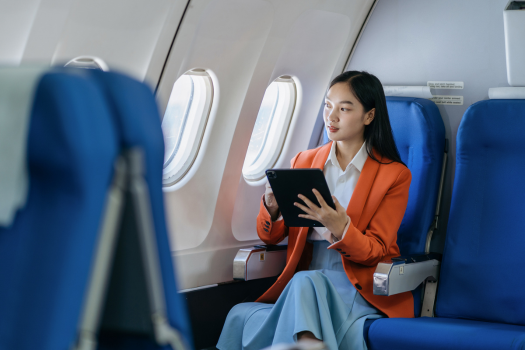
Most people with bulging discs can fly, though the experience requires careful preparation. Cabin pressure changes, extended periods of sitting, and limited mobility can all aggravate disc-related pain. In this article, we take a closer look at the risks involved, how to minimize discomfort, and when flying may not be the right choice for your condition.
What Exactly Is a Bulging Disc and How Does It Affect Daily Movement?
A bulging disc occurs when the outer layer of a spinal disc extends beyond its normal boundary without fully rupturing. This protrusion can press against nearby nerves, causing pain, numbness, or tingling that radiates through the back, neck, arms, or legs, depending on the location of the affected disc. Daily activities that involve prolonged sitting, bending, or vibration tend to aggravate these symptoms, which is why air travel deserves special consideration for anyone managing this condition.
How Does Sitting on a Plane Specifically Worsen Bulging Disc Symptoms?
Airplane seats are notorious for poor lumbar support, and sitting in a fixed, slightly reclined position for hours compresses the lumbar spine in ways that are particularly problematic for bulging disc patients. The lack of space to shift positions, combined with the vibration of the aircraft, places continuous pressure on the already-stressed disc. For passengers in economy class, the cramped conditions make it nearly impossible to maintain the neutral spine alignment that spinal health specialists recommend during extended sitting.
Does Cabin Pressure at Altitude Have Any Impact on a Bulging Disc?
Cabin pressure changes during ascent and descent do not directly compress spinal discs in the same way that lifting something heavy or bending forward would. However, reduced atmospheric pressure at cruising altitude can cause slight fluid shifts in the body’s tissues, which some patients report as increased stiffness or sensitivity around the affected disc. The effect is generally mild for most travelers, but individuals who are already having acute flare-ups before boarding are likely to feel these shifts more intensely.
What Preparation Steps Make Flying with a Bulging Disc More Manageable?
Preparation is the most effective tool for a patient with a bulging disc before stepping onto a plane. First, consult your physician or spine specialist before booking a long-haul flight, particularly if you are in the middle of an acute episode. The doctor may recommend anti-inflammatory medication, a lumbar support pillow, or a short course of physical therapy exercises to stabilize the area before traveling.
Once you have medical clearance, choose your seat strategically. An aisle seat gives you the freedom to stand and walk without disturbing fellow passengers. Bulkhead rows and exit rows offer additional legroom, which allows you to extend and reposition your legs throughout the flight. Arriving at the airport early to request a seat upgrade to business or first class is worth a try, as the added space and recline options can significantly reduce spinal compression.
Packing a small lumbar pillow or a rolled-up travel blanket to place in the curve of your lower back is a simple and highly effective strategy. Wearing compression socks also supports circulation, which tends to diminish during long periods of immobility and can contribute to muscular tension around the lower spine.
How Often Should You Stand and Move during the Flight?
Movement is essential. Stand up and walk up and down the aisle at least once every 45 to 60 minutes during the flight. While standing at your seat, perform gentle standing extensions by placing your hands on your lower back and carefully arching backward for a few seconds. Seated sciatic nerve stretches, in which you cross one ankle over the opposite knee and lean slightly forward, can relieve sciatic tension that often accompanies lumbar disc issues.
Avoid reaching into overhead bins in a hurried or twisted manner, since this type of loaded rotation is one of the most common triggers for acute disc flare-ups in travel settings. Ask a flight attendant or fellow passenger for assistance with heavy carry-on luggage whenever necessary.
When Is It Genuinely Not Safe to Fly with a Bulging Disc?
There are clinical situations in which flying should be postponed. If you are experiencing cauda equina syndrome—a rare but serious condition involving bladder or bowel dysfunction alongside severe disc symptoms—flying is not appropriate, and immediate medical attention is required. Similarly, if your pain is so severe that you cannot sit for more than a few minutes without significant distress, the duration of a flight would be medically counterproductive and potentially dangerous.
Patients who have undergone recent spinal surgery, including procedures directly related to a bulging disc, typically need a physician-approved recovery window before returning to air travel. That window varies by procedure and individual healing, so direct guidance from your surgical team is essential.
What In-Flight Comfort Items Are Most Recommended for Spinal Disc Conditions?
A quality lumbar support pillow ranks at the top of most spine specialists’ travel recommendation lists. Memory foam options that conform to the natural curve of the lower back provide more consistent support than inflatable versions. A travel neck pillow can prevent cervical spine strain during sleep on longer flights. Noise-canceling headphones reduce the physical tension many people unconsciously carry in their neck and shoulder muscles when straining to hear in a loud cabin environment. Over-the-counter anti-inflammatory medication taken as directed before and during the flight is often recommended by physicians for managing baseline inflammation, though you should confirm this approach with your own provider.
Frequently Asked Questions
Can a bulging disc get worse from flying?
Yes, flying can temporarily worsen symptoms, particularly during long-haul trips without adequate movement or lumbar support.
Should I bring a doctor’s note when flying with a bulging disc?
Sometimes. A doctor’s note is not required for most flights, but it can support requests for seat accommodations or early boarding assistance.
Is a long-haul flight safer than a short flight with a bulging disc?
No. Longer flights increase cumulative spinal compression, making them generally harder on disc conditions than shorter trips.
Can I request a wheelchair at the airport even if I can walk?
Yes. Airport wheelchair assistance is available to any traveler whose condition makes long terminal walks painful or risky.
Does flying in business class reduce bulging disc discomfort?
Generally, yes. The recline options, wider seats, and additional legroom in business or first class reduce sustained spinal compression compared to economy seating.
If you have a bulging or herniated disc that is not responding to conservative treatment, a discectomy may be discussed and potentially recommended. Although this is generally a very successful procedure, having a large hole in the outer ring of the disc more than doubles the risk of needing another operation. A new treatment, Barricaid, is a bone-anchored device designed to close this hole, and 95 percent of Barricaid patients did not undergo a reoperation due to reherniation in a 2-year study timeframe. This treatment is done immediately following the discectomy—during the same operation—and does not require any additional incisions or time in the hospital.
If you have any questions about the Barricaid treatment, ask your doctor or contact us today.
For full benefit/risk information, please visit: https://www.barricaid.com/instructions.
Comments